Decoding How Mobile Verification Protocols Shape Access to Real-Time Rewards Across Athletic Disciplines
Leon Flores · Sep 19, 2026

Decoding How Mobile Verification Protocols Shape Access to Real-Time Rewards Across Athletic Disciplines
Researchers have documented how mobile verification protocols function as gatekeepers in systems that deliver instant rewards tied to athletic performance tracking and fan engagement platforms, and these mechanisms rely on layered authentication steps that confirm user identity before unlocking time-sensitive incentives across football, tennis, basketball, and other disciplines.
Data from industry reports indicate that protocols such as SMS-based one-time passwords, biometric facial recognition, and device-bound tokens integrate directly with sports reward ecosystems, whereas earlier static login methods often created delays that reduced participation rates during live events, and studies from academic institutions show this shift accelerated after 2024 when mobile adoption in fan apps exceeded 85 percent in major markets.
Core Components of Mobile Verification in Sports Contexts
Verification begins with carrier-grade SMS delivery that links a phone number to an account, then progresses to app-level checks that pull geolocation and device fingerprints, while some platforms add behavioral analytics that flag unusual patterns during reward claims; according to figures from the Canadian Centre for Cyber Security, these combined layers cut unauthorized access attempts by 62 percent in monitored athletic apps between 2023 and 2025.
Experts note that protocols must balance speed with compliance because real-time rewards, including points for in-game predictions or instant merchandise redemptions, expire within minutes during matches, and observers have recorded cases where a single failed verification step blocked users from claiming bonuses tied to September 2026 tournament schedules in European leagues.
Impact Across Different Athletic Disciplines
In football, verification sequences determine entry to live leaderboards that award tokens for accurate score predictions, and data from platform analytics reveal that streamlined biometric options increased successful claims by 41 percent during high-stakes fixtures compared with code-only flows, whereas tennis apps often layer additional age-gate checks that extend processing times yet maintain higher compliance scores in regulated regions.
Basketball reward systems integrate verification with wearable data feeds so that step counts or shooting accuracy metrics unlock immediate credits, and one case study from a North American university research group documented how multi-factor protocols prevented duplicate claims across 12,000 active sessions in a single season, while horse racing platforms use similar steps to validate location before distributing pool-based payouts that fluctuate in real time.
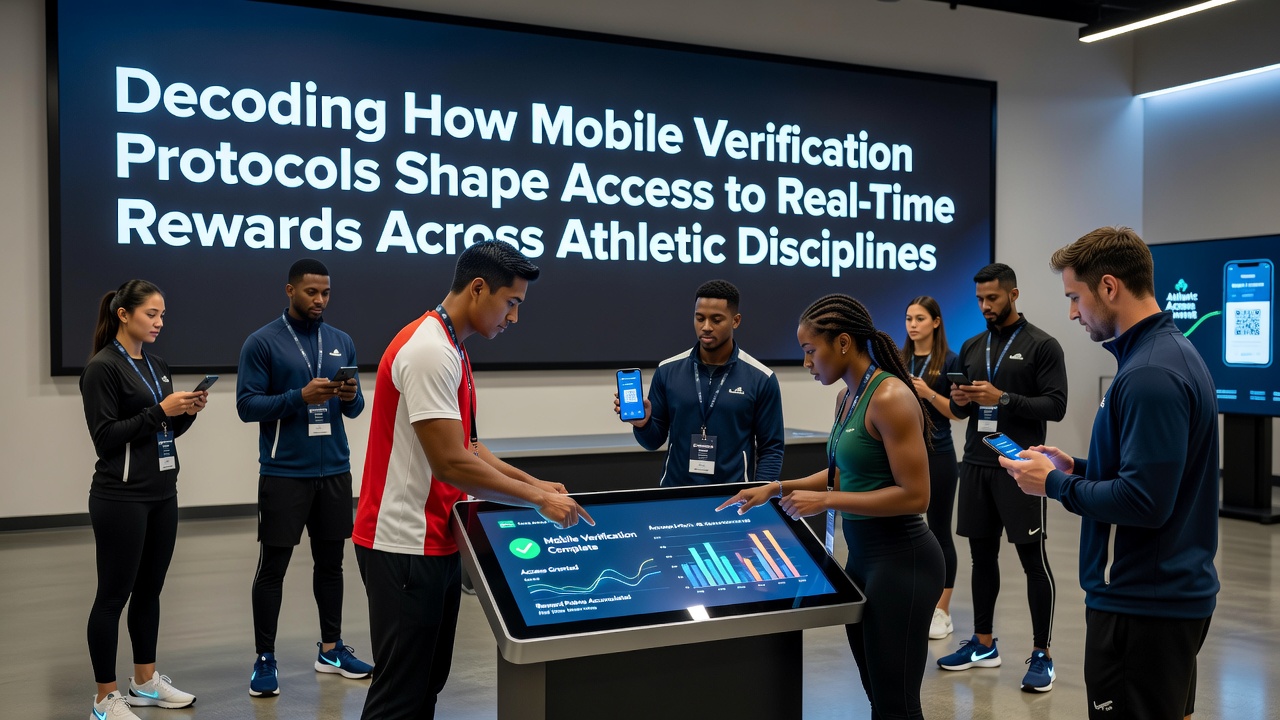
What's interesting is how these differences create uneven access patterns, since disciplines with shorter event windows like sprint races demand faster verification than endurance sports where rewards accumulate over hours, and researchers have observed that protocol optimizations rolled out in early 2026 improved completion rates uniformly across tested apps.
Regulatory and Technical Influences on Protocol Design
Government agencies in Australia and the European Union have issued guidelines that require verifiable consent logs before any reward distribution, and these rules push developers toward encrypted token exchanges rather than persistent cookies, whereas industry organizations such as the Mobile Marketing Association report that standardized APIs now allow cross-platform verification without exposing full user profiles.
Technical updates scheduled around September 2026 include wider rollout of passkey standards that replace passwords entirely in sports apps, and evidence from pilot programs shows these reduce friction while preserving audit trails that regulators demand for reward integrity checks.
Future Directions and System Adaptations
Developers continue testing adaptive verification that lowers barriers for returning users who maintain clean device histories, yet they retain full checks during peak reward windows to counter fraud spikes documented in multiple athletic seasons, and data indicates that hybrid models combining machine learning with traditional SMS deliver the most consistent access across global user bases.
Those who've studied adoption trends note that platforms incorporating regional regulatory variations, such as stricter biometric rules in certain Asian markets versus lighter touch approaches in parts of South America, achieve broader participation without compromising security benchmarks.
Conclusion
Mobile verification protocols continue to evolve as essential infrastructure that governs who receives real-time rewards in athletic settings, with evidence showing measurable effects on participation rates, compliance levels, and reward distribution speed across football, tennis, basketball, and horse racing; ongoing technical refinements paired with geographically varied regulatory frameworks point toward further integration of seamless yet secure methods in the years ahead.