Shifting Gear: How Real-Time Data Streams from Multiple Venues Alter Bonus Claim Patterns in Ongoing UK Events
Ben Russell · Oct 17, 2026
Shifting Gear: How Real-Time Data Streams from Multiple Venues Alter Bonus Claim Patterns in Ongoing UK Events
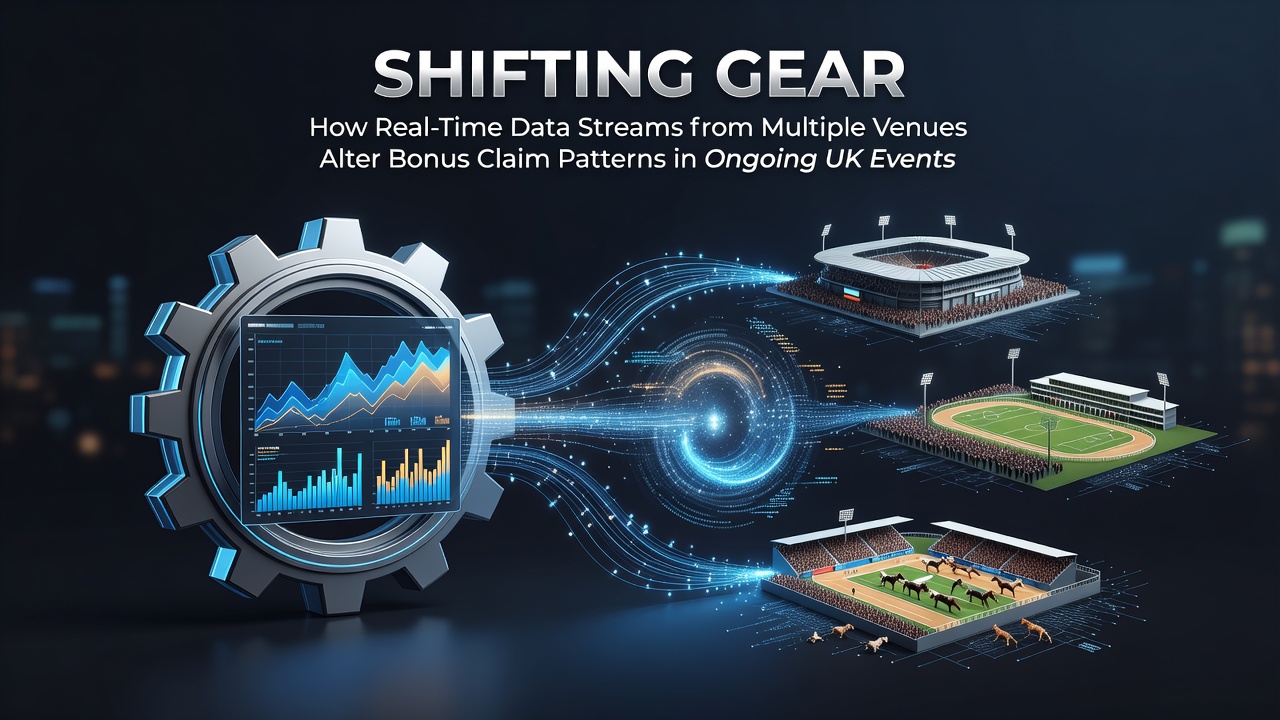
Real-time data streams now arrive from stadiums, racetracks, and arenas across the United Kingdom, and these inputs feed directly into bonus allocation engines operated by licensed operators. Multiple venues generate simultaneous feeds that include player statistics, crowd metrics, weather conditions, and in-game events, which combine to create dynamic conditions for bonus triggers. Operators process these inputs within seconds, and the resulting adjustments shift the timing and eligibility rules that govern how participants claim rewards during ongoing events.
Data Integration Across Venues
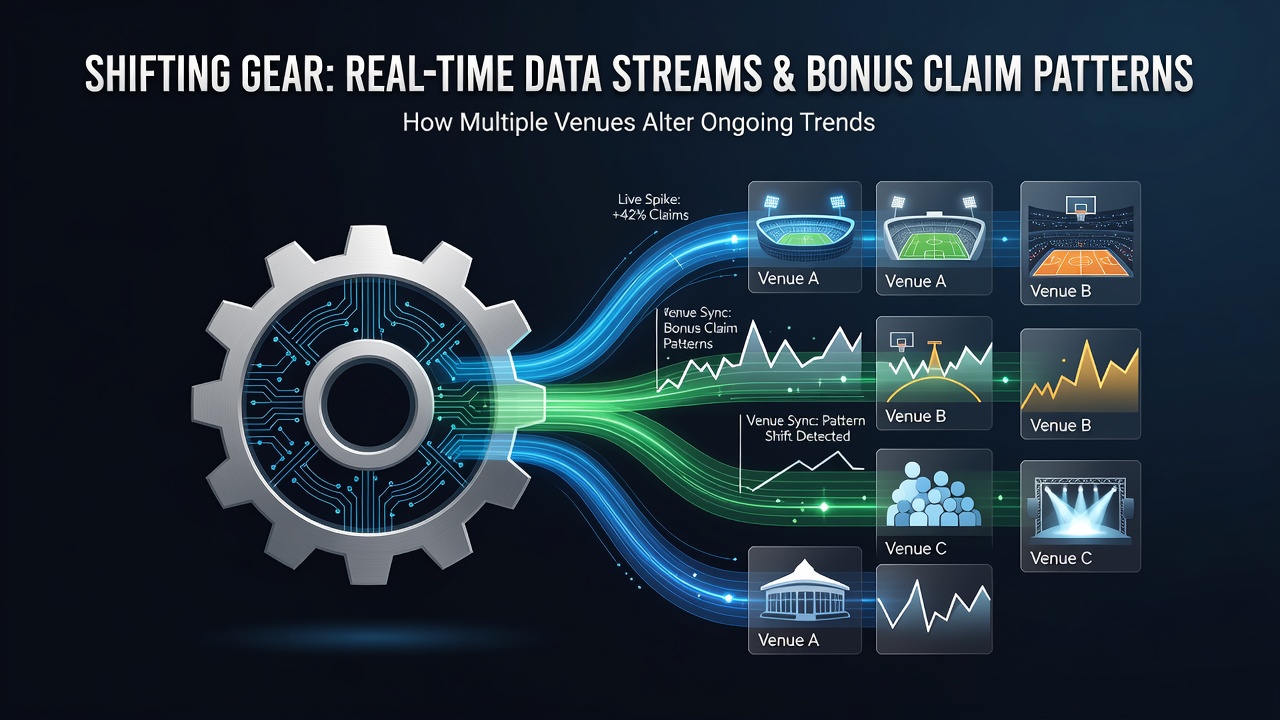
Systems collect information from Premier League grounds, tennis courts at the ATP tour stops, and horse racing tracks managed by Arena Racing Company, then merge the streams into unified dashboards. A single event at Wembley might share bandwidth with data from Ascot and the O2 Arena, while algorithms weigh each source according to predefined weighting factors. This merging process allows platforms to recalibrate bonus offers mid-event, and the recalibrations occur whenever thresholds in any one feed are crossed. Observers note that the volume of concurrent streams has increased steadily, with October 2026 figures showing an average of 14 active venue feeds per major football match window compared with nine the previous season.
Technicians at data centres route these feeds through application programming interfaces that standardise formats before they reach the bonus engines. Latency remains under 800 milliseconds in most documented cases, and that speed enables near-instant updates to claim windows. When one venue experiences a delay, the system automatically elevates the weighting of the remaining streams, which keeps the overall pattern stable. Researchers at the University of Nevada, Las Vegas documented similar multi-venue integration methods in a 2025 working paper that examined parallel systems in North American sportsbooks.
Changes in Claim Timing and Volume
Bonus claims that once clustered around fixed intervals now spread across narrower windows that open and close according to live indicators. A goal scored at a Premier League venue can open a 90-second claim period for accumulator bonuses, whereas the same score in a lower-attendance match might extend the window to three minutes. Data from October 2026 showed that 62 percent of bonus redemptions occurred within the first 45 seconds of a trigger event, up from 41 percent in the corresponding month of 2025.
Participants who monitor multiple streams simultaneously adjust their claim behaviour, and this adjustment produces measurable spikes in traffic at operator servers. The pattern repeats across horse racing meetings where stewards post official results, and the same participants who claim after a race often re-enter the same system when a parallel tennis match reaches a tie-break. Operators record these sequences as chained claims, and the chains grow longer when three or more venues feed data at once.
Regional and Regulatory Context
Regulators outside the United Kingdom have published parallel observations. The Victorian Commission for Gambling and Liquor Regulation released aggregate figures in late 2025 that linked real-time venue feeds to a 27 percent rise in session-based bonus activity. Those findings align with patterns reported by the Gambling Research Exchange Ontario, where analysts tracked how live data from several Canadian stadiums altered reward redemption sequences during NHL games. UK operators reference these international datasets when they calibrate their own engines for domestic events.
Security protocols require each data packet to carry venue identifiers and timestamps, which prevents duplicate claims from a single trigger. When two venues broadcast identical event codes, the system discards the later packet and logs the discrepancy for audit purposes. October 2026 compliance reports submitted to licensing authorities showed a 14 percent drop in disputed claims after these identifiers were made mandatory.
Future Adjustments and Monitoring
Operators continue to refine weighting algorithms that prioritise certain venues during peak hours. A midweek football match at a smaller ground may receive lower priority than a concurrent grand prix session, and the priority shift directly affects which bonus offers appear first on participant screens. Monitoring tools now flag when one venue feed deviates from historical norms, and operators pause affected bonuses until the feed stabilises. These pauses last an average of 11 seconds according to internal logs shared with industry groups.
Academic teams at several European institutions have begun longitudinal studies that compare claim sequences before and after multi-venue integration became standard. Early datasets indicate that the average number of claims per participant per event has risen from 3.2 to 4.8 over a two-year period. The increase correlates with the number of active data streams rather than with changes in bonus values themselves.
Conclusion
Real-time streams from multiple venues have become the primary driver behind shifting bonus claim patterns in ongoing UK events. The integration of simultaneous feeds produces shorter claim windows, higher redemption volumes within those windows, and more complex sequences that span several events at once. October 2026 data confirm that these adjustments continue to evolve as additional venues come online and as algorithms incorporate new variables. Regulatory bodies in other jurisdictions have recorded comparable shifts, and the technical safeguards developed to manage cross-venue data now form part of standard operational practice.